





Description
Geraniol Terpenes
Our isolated Cannabis Terpenes are completely raw and undiluted, they can be used individually in your product to harness each terpene’s unique effect or combined in different terpenes.
In nature terpenes do not occur in isolation. Individual plants produce a variety of types of these molecules that come together to form what is called a terpene profile. Research has revealed that terpenes possess significant wellness properties.
Terpenes/terpenoids have a wide range of biological and pharmacological activities, for instance, antifungal, antiviral, anticancer, anti-inflammatory, antihyperglycemic, antiparasitic, antioxidant, and antimicrobial.
Geraniol, A monoterpenoid with a hard-to- forget aroma and flavour. Bees produce it through their olfactory glands to mark the flowers that contain nectar and locate the entrances to their hives. Besides cannabis, geraniol exists in lemons, geranium, and tobacco. It is also the primary component of rose oil, palmarosa oil, and citronella oil. Due to its rose-like scent, it’s usually used in aromatic bath products, perfumes, and body lotions.
Aroma: Geraniol will seduce you with its rose grass notes, peaches, and plums.
Effects: Geraniol is more than just an enticing scent. Studies have shown Geraniol‘s great potential as a neuroprotectant agent with anti-inflammatory, antioxidant, and antidepressant effects.
Boiling Point: 230°C
CAS Number: 106-24-1
Cannabis Strains: It’s present in strains like Amnesia Haze, Great White Shark, Afghani, Headband, Island Sweet Skunk, OG Shark, and Master Kush.
Geraniol Research and Benefits
- Geraniol extract is an effective insect repellent. In addition to mosquitoes, geraniol protects against sandflies. Also known as “no-see-ums,” these critters feast in hordes, and after they bite, people typically wake up the following day with clusters of bites that itch worse than that of mosquitoes. In other words, geraniol is a lifesaver.
- It’s not just large multicellular organisms that geraniol can defend against— it fights the small ones, too. One study showed that geraniol extract was a powerful antimicrobial agent against a host of different bacteria, including E. coli, L. monocytogenes, and S. enterica.
- Another study showed that when sprayed as an aerosol, geraniol extract had a significant antibacterial effect on respiratory pathogens like influenza and pneumonia.
- Numerous studies have exhibited preventive effects of geraniol extract on all kinds of cancer, from lung to colon to pancreatic cancer. Broadly, geraniol affects the signaling pathways of tumorous cells, preventing them from replicating at a malignant rate.
- Geraniol is not as powerful in this regard, but one study found that it reduced the inflammation of blood vessels in hamsters with atherosclerosis.
Therapeutic applications of the geraniol terpene
We’ve seen just how useful geraniol is on the commercial side of things. Now, what about its therapeutic applications?
As it happens, geraniol has exhibited a lot of potential in the medical realm on account of its anti-inflammatory, anti-fungal, anti-bacterial, anti-cancer, and neuroprotective activity.
Anti-inflammatory
Geraniol has impressive anti-inflammatory properties. Several peer-reviewed studies have borne this out. One of them, published in Experimental and Therapeutic Medicine, found that geraniol reduces inflammation and oxidative stress associated with traumatic spinal cord injury in rats.
Meanwhile, a European Journal of Pharmacology study concluded that geraniol may lower the risk of atherosclerosis (a condition that causes heart disease) by inhibiting the body’s inflammatory responses.
Anti-tumor
According to a 2016 review, the existing literature demonstrates that geraniol has therapeutic or preventative effects on the following cancers:
- breast
- lung
- colon
- prostate
- pancreatic
- hepatic
Furthermore, geraniol has shown an ability to make cancer cells more responsive to chemotherapy drugs. As a result, the review’s authors described geraniol as the potential basis for a “safe and effective multi-targeted anticancer agent.”
Neuroprotective
Geraniol may have a neuroprotective effect, according to a 2014 study. The point of the study was to determine whether geraniol can mitigate neurological damage caused by exposure to a chemical called acrylamide.
In their conclusion, the authors wrote that geraniol provides neuroprotection and could be used to help treat issues arising from neuropathy, or damage to nerve cells. However, they stressed that additional research is needed.
Anti-oxidant
A study published in the Asian Journal of Pharmaceutical and Clinical Research found geraniol to have significant antioxidant properties. Specifically, geraniol exhibited benefits in relation to oxidative stress, a common feature of neurodegenerative conditions.
Anti-bacterial
A 2018 study published in Natural Product Communications evaluated geraniol’s anti-bacterial effects. Researchers tested whether combining geraniol with antibiotic medicines was beneficial in treating three bacterial infections—H. pylori, S. aureus (staph infection), and E.coli.
Geraniol was found to boost the efficacy of antibiotics in all three cases, leading the authors to conclude that it has “substantial” therapeutic potential as an anti-bacterial agent.
Anti-fungal
In 2018, Molecules published an article about geraniol’s anti-fungal properties. Along with the citral terpene, geraniol inhibited the growth of two fungi known to contaminate stored seeds and grains, especially in developing countries.
Therefore, geraniol could potentially serve as an effective grain preservative.
Other effects of geraniol
In addition to the health benefits mentioned above, geraniol may help alleviate symptoms brought about by the following conditions:
- depression
- anxiety
- insomnia
- mood disorders
Bear in mind that further studies are needed to determine the extent of geraniol’s medicinal capacity.
Full details: Geraniol MSDS (PDF)
View: Ultimate Terpenes Guide
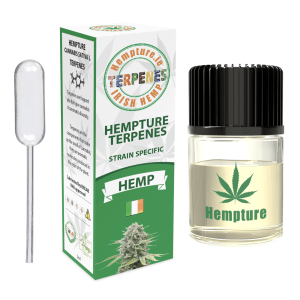
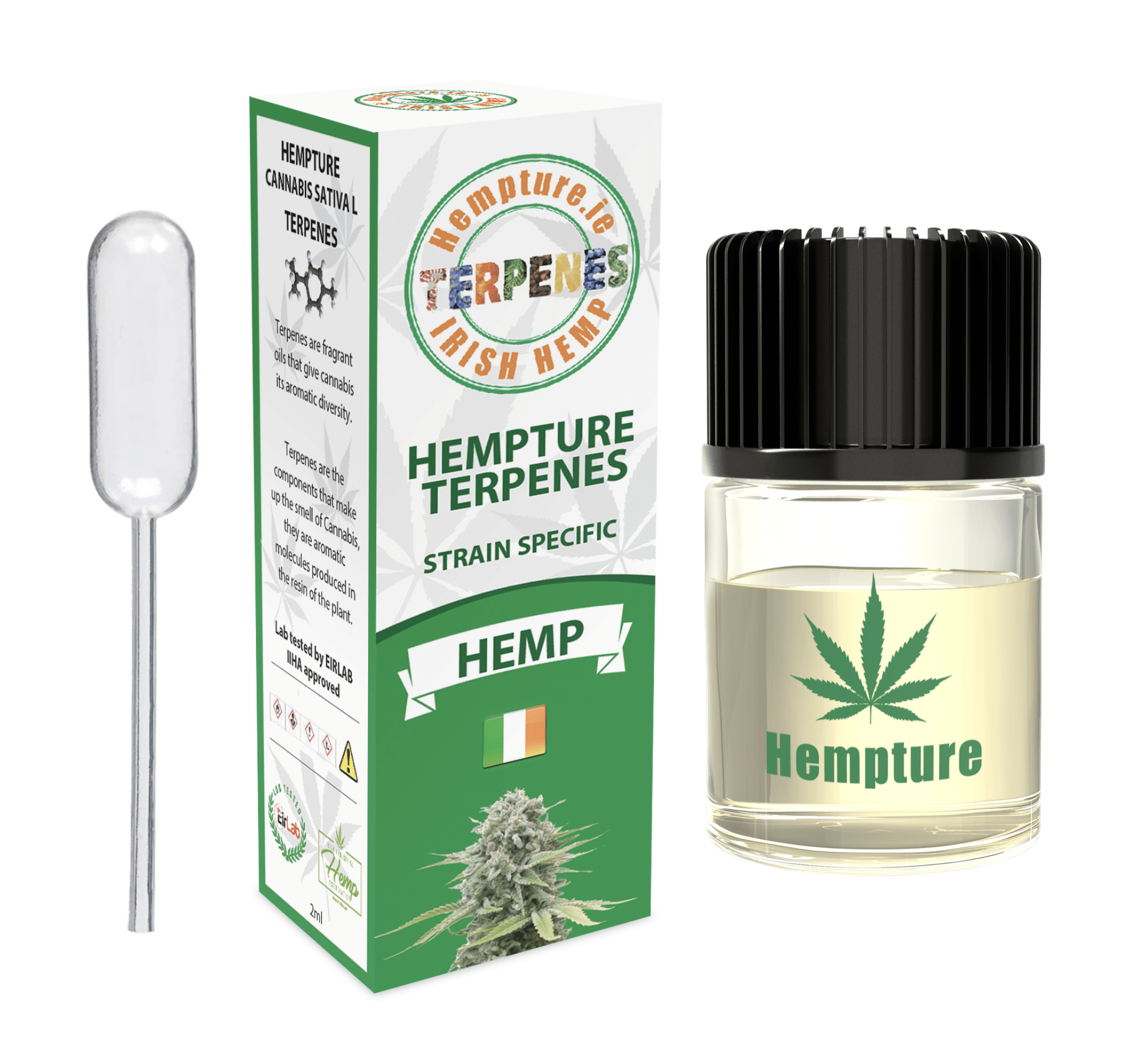
Package contains: 2ml Glass Vial of Terpenes